
India Hosts BRICS Summit as Iran War Tests Bloc Unity
India will host the BRICS summit in New Delhi on September 12-13 as divisions between Iran and the UAE, the Iran war and China-India ties test the expanded bloc's unity.
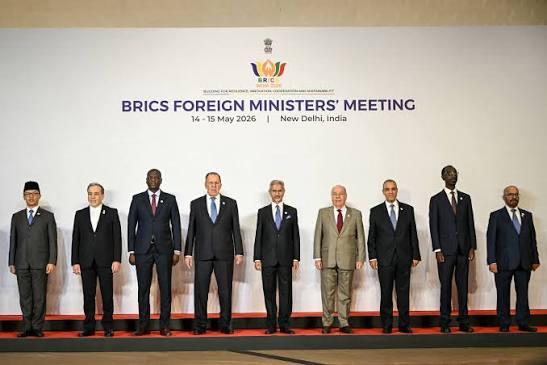
India Hosts BRICS Summit as Iran War Tests Bloc Unity
India will host the 18th BRICS Leaders' Summit in New Delhi on September 12-13, with the grouping facing one of its most difficult tests since its expansion.
The summit comes amid the ongoing US-Israel conflict with Iran, which has sharply divided two BRICS members, Iran and the United Arab Emirates. The crisis has also disrupted shipping through the Strait of Hormuz and pushed crude oil prices above $100 a barrel, adding an economic dimension to the bloc's political differences.
For India, the immediate challenge will be to find language on the Middle East crisis that can be accepted by both Tehran and Abu Dhabi. A consensus is important because BRICS decisions and major statements depend heavily on agreement among its members.
Iran-UAE Divide Puts Joint Declaration at Risk
The war has exposed the competing interests inside the expanded BRICS grouping.
Iran became a full BRICS member in 2024, while the UAE also joined the expanded group. Since the outbreak of the conflict, however, the relationship between Tehran and Abu Dhabi has deteriorated sharply. Reuters reported that the UAE suspended trade and financial transactions with Iran in August after Iranian missile attacks.
Kremlin spokesman Dmitry Peskov has acknowledged that differences between Iran and the UAE are complicating efforts to prepare a joint declaration.
The problem is significant because BRICS has expanded from its original Brazil, Russia, India, China and South Africa core into a much larger grouping that includes Egypt, Ethiopia, Indonesia, Iran, Saudi Arabia and the UAE. The broader membership gives BRICS greater global reach, but it also brings together countries with sharply different foreign-policy interests.
The challenge was already visible in May, when BRICS foreign ministers failed to issue a joint statement after differences emerged over the Gulf crisis.
India Faces a Difficult Balancing Act
As host and current BRICS chair, India will have to balance its relationships with competing members while trying to keep the summit focused on cooperation.
New Delhi has traditionally maintained close ties with Russia while also developing strategic and economic relations with the United States and Gulf countries. The Iran conflict makes that balancing act more complicated.
The Strait of Hormuz is particularly important to India because it is a major route for energy supplies to Asian economies. The conflict has already disrupted oil flows and contributed to the latest surge in crude prices. Reuters reported on September 10 that Brent crude climbed above $107 a barrel amid escalating attacks on shipping and growing supply concerns.
India therefore has a direct economic interest in regional stability, even as it seeks to preserve its diplomatic relationships across the BRICS membership.
Xi Jinping's India Visit Raises Stakes
Chinese President Xi Jinping's attendance adds another major dimension to the summit.
China's Foreign Ministry officially confirmed on September 10 that Xi will attend the BRICS summit in New Delhi on September 12-13 at Prime Minister Narendra Modi's invitation.
It will be Xi's first visit to India in seven years and comes after years of strained bilateral relations following the 2020 border clash.
The visit is significant beyond BRICS. India and China have taken steps toward stabilising their relationship, including recent diplomatic engagement on the disputed border. During the 25th round of boundary talks in August, the two sides reaffirmed their commitment to maintaining peace and tranquillity along the border and continuing negotiations.
A Modi-Xi meeting on the sidelines of the summit could therefore provide an opportunity to discuss border stability, trade, investment and wider economic cooperation.
India-China Economic Ties Remain Complicated
Despite the diplomatic thaw, economic relations remain sensitive.
India has eased some restrictions on Chinese investment in selected areas, but security concerns and regulatory scrutiny continue to affect Chinese companies operating in India. Reuters reported this week that India's Serious Fraud Investigation Office has recommended a detailed investigation into Xiaomi's operations over alleged compliance issues; Xiaomi said it had not received formal communication from the agency and maintains that it complies with Indian law.
This means the Modi-Xi engagement will take place against a backdrop of improving political communication but continuing commercial mistrust.
China has nevertheless signalled strong support for India's BRICS presidency. Its Foreign Ministry has described the grouping as an important platform for cooperation among Global South countries and said Beijing supports India's efforts to advance BRICS cooperation.
Putin-Modi Talks Will Also Matter
Russian President Vladimir Putin is another key participant at the summit, with bilateral discussions with Modi expected alongside the BRICS meeting.
India and Russia maintain extensive economic and strategic ties, particularly in energy. Russia remains a major supplier of crude oil to India, making the relationship especially important at a time when the Iran conflict has disrupted global energy markets.
The summit therefore gives Modi an opportunity to discuss not only BRICS cooperation but also bilateral trade, energy security and the wider geopolitical situation with Putin.
Russia has also sought to play an important role in discussions about alternative payment mechanisms within BRICS. However, Kremlin spokesman Dmitry Peskov recently said Russia was not pursuing a formal policy of "de-dollarisation" and remained open to acceptable payment methods.
BRICS Payment Cooperation Could Gain Attention
Economic cooperation is likely to be another major theme in New Delhi.
Reuters reported that India is pushing an initiative to improve cross-border payments among BRICS countries by exploring interoperability between central bank digital currencies. The proposal is intended to make international transactions faster and easier rather than create a common BRICS currency or immediately replace the US dollar.
However, political divisions and differences in financial systems could make implementation difficult.
The Iran-UAE dispute is one obstacle. India also remains cautious about deeper financial integration with China because of national security considerations.
The SCO Summit Offers a Possible Template
There is nevertheless some reason for optimism.
At the recent Shanghai Cooperation Organisation summit, leaders including Modi, Xi, Putin and Iranian President Masoud Pezeshkian were able to agree on language concerning the Iran conflict despite differences among participating countries.
That experience could offer India a possible template for negotiating a BRICS statement.
The challenge will be greater because the UAE is part of BRICS but not the SCO in the same configuration. Any language acceptable to Iran must therefore also avoid alienating Abu Dhabi.
Key Takeaways
- India hosts BRICS on September 12-13: The New Delhi summit comes amid major geopolitical and economic tensions.
- Iran-UAE differences are central: The two BRICS members are on opposing sides of the current regional crisis, complicating consensus.
- Xi's visit raises the stakes: China's president will make his first India visit in seven years and is expected to meet Modi.
- Russia remains strategically important: Modi-Putin discussions are expected to cover trade, energy and bilateral cooperation.
- Oil disruption adds economic pressure: The Iran conflict has disrupted energy flows through the Strait of Hormuz and pushed crude prices sharply higher.
- Payment reform is on India's agenda: New Delhi is promoting greater interoperability between BRICS payment systems and digital currencies.
- BRICS expansion has created both strength and friction: The larger grouping has greater global influence but contains more divergent national interests.
Why This Matters
The New Delhi summit is an important test of whether BRICS can function effectively as an expanded Global South platform despite major differences among its members.
Its growing membership gives the bloc greater economic and geopolitical weight, but the Iran-UAE divide demonstrates the difficulty of translating that diversity into a common foreign-policy position.
For India, success will not necessarily mean producing a sweeping agreement on the Middle East. A more realistic measure may be whether New Delhi can secure carefully negotiated language that keeps all members engaged while advancing cooperation on trade, finance, development and energy.
Xi's return to India and the expected Modi-Putin talks make the summit even more significant. Alongside the formal BRICS agenda, the gathering could become an important forum for India to manage its relationships with China and Russia while protecting its economic interests amid a rapidly changing global order.
More Stories
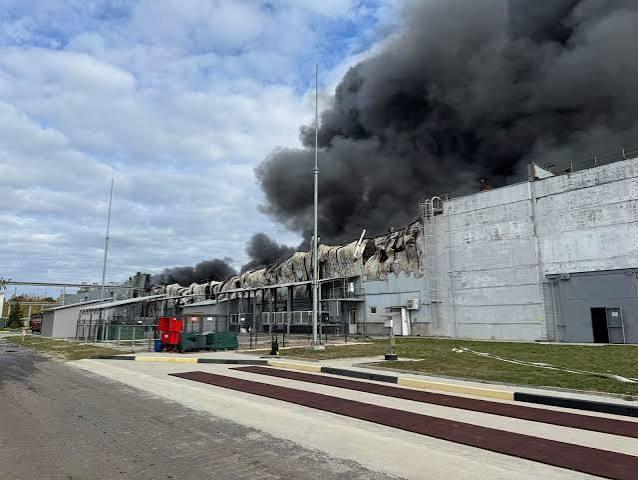
Russian Drone Strike Hits Indian Pharma Plant in Ukraine Again, One Killed
5 Oct 2026
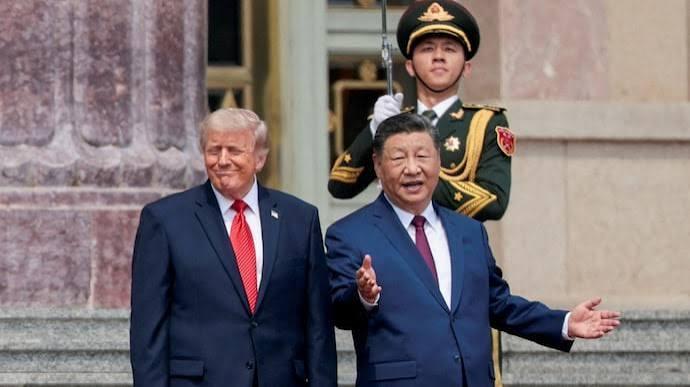
Trump Rolls Out Grand Welcome for Xi Jinping as US-China Talks Face Tensions Over Trade, Taiwan and Iran
23 Sept 2026
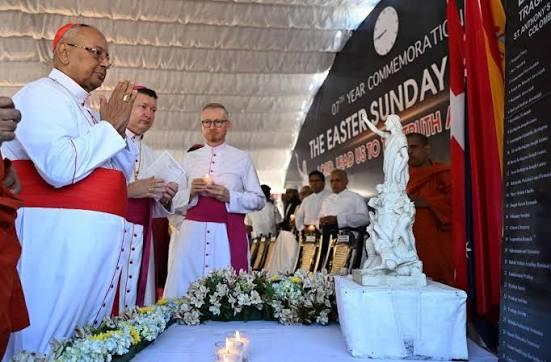
Sri Lanka Easter Bombings Verdict: Court Set to Rule on 24 Accused in 2019 Attacks
22 Sept 2026
Pakistan Mosque Blast: 21 Killed, 15 Police Officers Among Victims in Kohat Suicide Attack
18 Sept 2026