
Xi Jinping Arrives in India After 7 Years, Set to Meet PM Modi Amid India-China Thaw
Chinese President Xi Jinping arrived in New Delhi on Saturday for the BRICS Summit, marking his first visit to India in seven years. His meeting with Prime Minister Narendra Modi is expected to focus on border stability, trade, economic ties and efforts to further normalise relations between the two Asian powers.
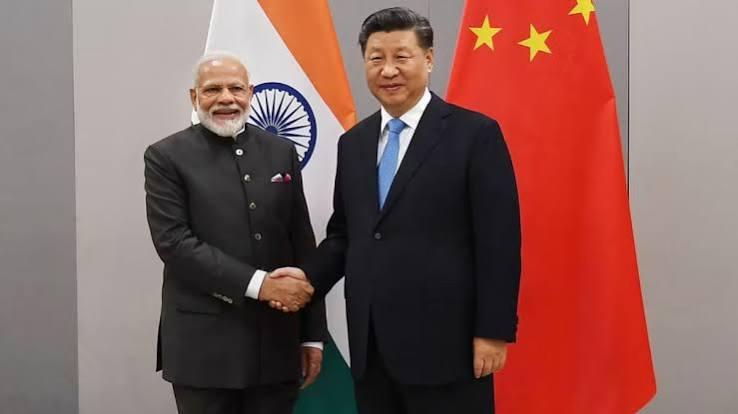
Xi Jinping Arrives in India After 7 Years, Set to Meet PM Modi Amid India-China Thaw
Chinese President Xi Jinping arrived in New Delhi on Saturday for the 18th BRICS Summit, returning to India for the first time in seven years as New Delhi and Beijing seek to consolidate a cautious improvement in bilateral relations.
Xi's visit is significant because India-China relations deteriorated sharply after the 2020 military confrontation along the Line of Actual Control (LAC). The Chinese president last visited India in 2019 for an informal summit with Prime Minister Narendra Modi in Mamallapuram.
Xi was received in New Delhi by Union Minister of State for Commerce Jitin Prasada. His arrival comes as both countries attempt to move relations away from the prolonged tensions that followed the Ladakh border crisis.
Xi Jinping-PM Modi Meeting: What Is on the Agenda?
Xi and Modi are scheduled to hold bilateral talks on Saturday on the sidelines of the BRICS Summit. The meeting is expected to review progress on border-related issues as well as the broader effort to stabilise India-China relations.
The discussions come after the two countries reached an understanding in October 2024 that helped facilitate troop disengagement at key friction points in eastern Ladakh. Since then, diplomatic and military channels have remained active, with both sides working to restore communication and reduce the possibility of fresh confrontation.
Recent talks have also focused on mechanisms for maintaining peace along the LAC, including military communication and discussions between senior officials.
Border Dispute Remains a Major Challenge
Despite the improvement in relations, the India-China border issue remains unresolved.
New Delhi is expected to assess the progress made through discussions involving military commanders, the Working Mechanism for Consultation and Coordination and the Special Representatives on the boundary question.
The two sides have made progress on restoring patrol arrangements and diplomatic engagement, but significant differences remain. The unresolved boundary dispute and continuing strategic mistrust mean that the latest thaw is still being viewed as a cautious process rather than a complete reset.
Trade Deficit and Business Concerns
Economic relations are another major issue likely to feature in the Modi-Xi discussions.
India wants greater market access for its exporters and more predictable access to critical industrial supplies from China. Concerns have also been raised over investment restrictions, business visas and supply-chain dependencies.
According to recent reporting, India's imports from China reached about $131.6 billion in 2025-26, while Indian exports to China were around $19.5 billion, leaving a trade deficit of more than $112 billion.
The growing imbalance has become one of the most difficult economic aspects of the relationship, particularly as India seeks to strengthen domestic manufacturing while continuing to rely on China for several industrial components and critical inputs.
Direct Flights and Kailash Mansarovar Yatra Resume
There have also been visible signs of improvement in bilateral ties.
Direct air connectivity between India and China has gradually resumed. China Southern Airlines has announced that flights between Guangzhou and New Delhi will restart from September 21, adding to the restoration of air links between the two countries.
The Kailash Mansarovar Yatra has also resumed, while border trade has restarted through three designated points. These developments indicate that practical cooperation is returning even though the larger strategic relationship remains complicated.
A Cautious Reset, Not a Complete Normalisation
Xi's return to India represents an important diplomatic milestone, but the meeting with Modi is unlikely to resolve all outstanding differences.
Both governments have an interest in preventing border tensions from disrupting broader economic and diplomatic engagement. At the same time, issues involving the LAC, trade imbalance, market access, technology and strategic competition continue to limit the depth of the rapprochement.
The BRICS platform provides both leaders with an opportunity to maintain dialogue while pursuing their respective strategic interests.
Key Takeaways
- Xi Jinping has arrived in India for the BRICS Summit, his first India visit in seven years.
- Xi and PM Modi are scheduled to hold bilateral talks in New Delhi.
- Border stability and the LAC are expected to remain central to the discussions.
- India is likely to raise concerns over the large trade deficit and market access.
- Direct flights and the Kailash Mansarovar Yatra have resumed as ties gradually improve.
- Despite the thaw, the India-China relationship still faces significant strategic and economic challenges.
Why This Matters
Xi Jinping's return to India marks one of the clearest signs yet that New Delhi and Beijing are trying to stabilise relations after years of military and diplomatic tension. The Modi-Xi meeting could determine whether the current cautious thaw develops into deeper economic and strategic engagement or remains limited to managing differences. For India, the challenge will be to improve trade and economic cooperation without compromising its security interests along the border.
More Stories
Russian Drone Strike Hits Indian Pharma Plant in Ukraine Again, One Killed
5 Oct 2026
Trump Rolls Out Grand Welcome for Xi Jinping as US-China Talks Face Tensions Over Trade, Taiwan and Iran
23 Sept 2026
Sri Lanka Easter Bombings Verdict: Court Set to Rule on 24 Accused in 2019 Attacks
22 Sept 2026
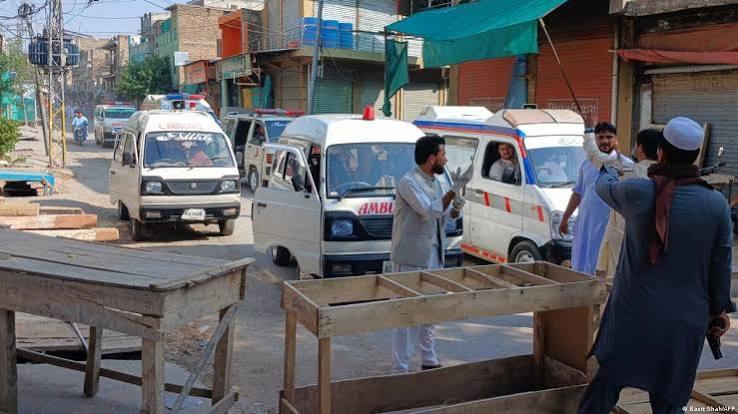
Pakistan Mosque Blast: 21 Killed, 15 Police Officers Among Victims in Kohat Suicide Attack
18 Sept 2026