
Surat textile market fire destroys Diwali stock, injures firefighter
A major fire at Surat’s Shyam Sangini Textile Market destroyed large quantities of festive-season fabric. More than 150 firefighters battled the blaze for hours.
Surat textile market fire destroys Diwali stock, injures firefighter
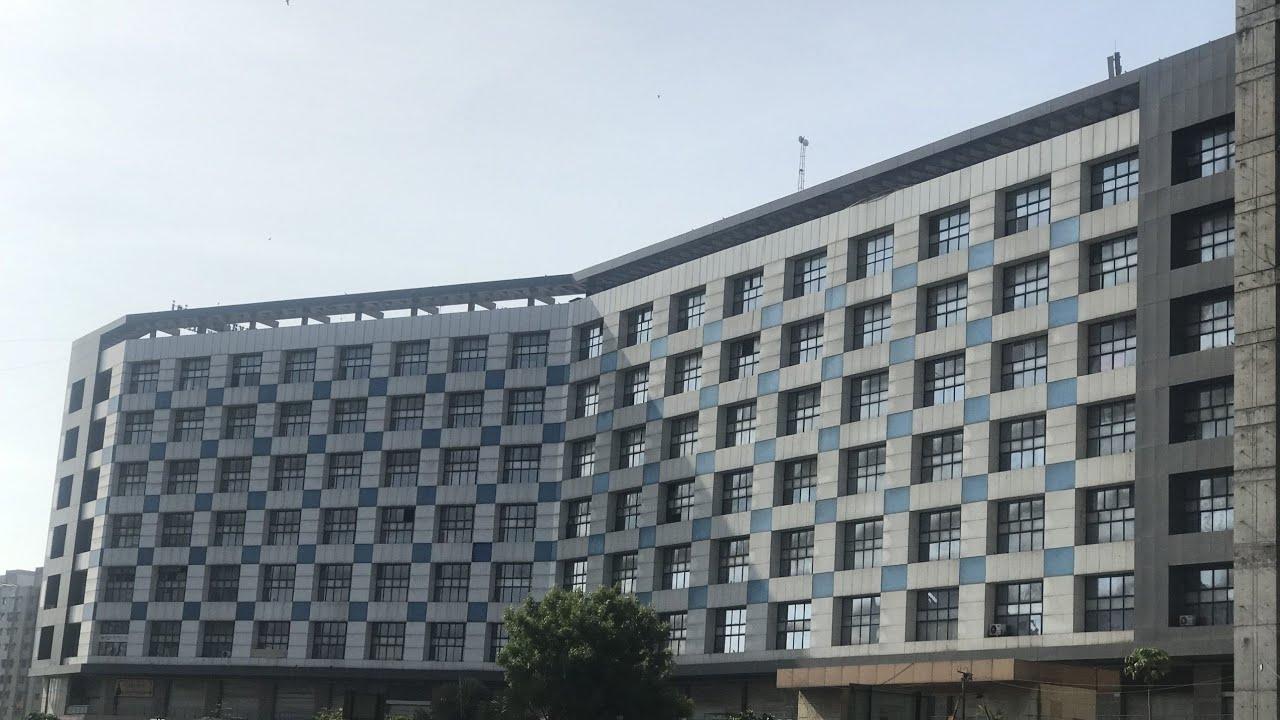
A major fire broke out at the Shyam Sangini Textile Market in Surat’s Saroli area shortly after midnight on Wednesday, damaging multiple shops and destroying a large quantity of textile stock prepared for the upcoming Diwali and festive-season deliveries. The blaze spread through the upper floors of the multi-storey market, forcing the Surat Municipal Corporation (SMC) fire department to mount a prolonged firefighting operation.
No trader or member of the public was reported killed in the incident. One firefighter, however, was injured during the operation and was taken to hospital after his condition deteriorated, according to fire officials. More than 150 firefighters and officers, along with around 25 firefighting vehicles, turntable ladders and hydraulic platforms, were deployed to contain the blaze.
The fire control room received the first call at about 12:52 am. Fire crews from three stations were initially sent to the market, but the scale of the blaze led authorities to issue a major fire call and bring additional resources from across Surat.
What Happened
According to Chief Fire Officer Basant Pareek, the fire originated in a passage area on the upper floor, where packed textile parcels had reportedly been placed before traders left for the night. The flames quickly spread through the fabric stock and packaging material and then entered adjoining shops.
The presence of synthetic textiles, plastic packaging and cardboard boxes significantly increased the intensity of the fire. Thick smoke filled the passageways and affected visibility, making it difficult for firefighters to reach the affected shops directly.
Fire officials used hydraulic platforms and turntable ladders to approach the upper floors from outside. Teams also broke sections of the building's glass windows to release smoke and improve visibility before entering the affected areas.
The building's electrical supply was switched off as a precaution during the operation. Firefighters also had to contend with textile material stored in passageways, which obstructed access and provided additional fuel for the flames.
Large Quantity of Diwali Stock Destroyed
The timing of the fire has added to the concern among traders because the market was carrying substantial inventories for the upcoming festive season.
Shopkeepers had reportedly accumulated finished fabrics and other textile products ahead of Diwali, Navratri and other festivals. Much of this material was ready for dispatch to buyers and markets in other parts of India.
The fire damaged stock stored both inside shops and in common passage areas. Traders who reached the market during the night attempted to protect account books, business records and merchandise, but the intensity of the fire and smoke prevented them from entering the affected floors.
Anoop Jalan, president of the Shyam Sangini Textile Market, said traders had stocked large quantities of material for the festival season and that the full extent of the losses would only be known after firefighting and cooling operations were completed.
The number of shops affected is also expected to become clearer once officials can safely enter and inspect the upper floors.
Firefighting Operation Lasted for Hours
The structure of the market presented additional challenges to the emergency teams.
Shyam Sangini Textile Market is a multi-storey commercial complex with 284 blocks, with large shops reportedly occupying around 2,000 square feet each. The affected upper levels have considerable floor-to-floor height, requiring firefighters to use specialised equipment to reach the flames.
Initial reports said the fire affected the fifth and sixth floors, while firefighters also dealt with the spread of flames and smoke across adjoining areas. Later assessments indicated that more than a dozen shops had suffered damage.
The blaze was brought under control after several hours of firefighting, although cooling operations continued after the main flames were extinguished. Fire officials continued checking the structure for hidden hotspots because large quantities of textile material can continue smouldering after visible flames disappear.
The cause of the fire has not yet been established. Authorities are expected to conduct a detailed examination once the building is declared safe for inspection.
Fire Safety Measures Under Examination
The incident is also likely to draw attention to fire safety and the storage of goods in common areas of commercial textile markets.
Fire officials said the market's fire safety arrangements were in place and that its fire NOC had recently been renewed. However, the intensity of the blaze and the amount of combustible material stored in passage areas complicated the response.
The incident highlights a recurring challenge in textile markets: synthetic fabrics, plastic packaging and cardboard can allow a fire to spread rapidly, while goods placed in corridors and passageways can restrict access for emergency crews.
Investigators will have to determine whether the material kept outside the shops complied with market and fire-safety requirements and whether any electrical or other equipment played a role in starting the blaze. At this stage, there is no confirmed cause.
Surat Textile Industry Faces Another Setback
The fire comes at a critical period for Surat's textile trade, when merchants typically increase inventories ahead of the festival season.
Surat is one of India's largest textile trading and manufacturing centres, particularly for synthetic sarees, dress materials and other fabrics. The city's trading network supplies markets across states including Uttar Pradesh, Bihar, West Bengal, Delhi, Jharkhand, Maharashtra and several southern states.
The scale of daily movement means disruption at a major textile market can have effects beyond individual shopkeepers. Traders facing damaged inventory may have to replace orders quickly, while buyers waiting for festival-season supplies could face delays.
The fire also comes as Surat's textile sector is dealing with elevated operating costs. The South Gujarat Textile Processors Association recently retained a job-work charge increase of up to 15%, citing higher input costs, while traders have raised concerns about the timing of the increase ahead of the festive season.
For businesses that lost finished stock in the Shyam Sangini fire, the immediate concern will be assessing uninsured or underinsured inventory, replacing urgent customer orders and determining how quickly production and supply chains can compensate for the losses.
What Happens Next
Fire officials are continuing cooling operations and will conduct a detailed assessment of the affected premises. Traders are expected to inspect their shops once authorities allow safe access and begin calculating the value of destroyed and damaged goods.
Authorities will also investigate the origin of the fire and examine the circumstances surrounding the storage of textile parcels in passage areas.
The final number of affected shops and the total financial loss are not yet available. Those figures are likely to emerge only after the cooling operation ends and a detailed inventory assessment is completed.
Key Takeaways
- Major Surat market fire: A blaze broke out shortly after midnight at Shyam Sangini Textile Market in the Saroli area.
- Festive stock destroyed: Large quantities of synthetic fabric and finished textile goods stored for Diwali and other festivals were damaged or destroyed.
- 150-plus personnel deployed: Around 25 firefighting vehicles and nearly 150 fire personnel and officers were involved in the operation.
- Firefighter injured: One firefighter was hospitalised after being injured during the firefighting operation.
- Cause remains unknown: Authorities have not yet determined what started the fire.
- Loss assessment pending: Traders and officials will determine the number of affected shops and financial losses after cooling and safety inspections are completed.
Why This Matters
The Surat textile market fire has struck at one of the busiest periods of the year for textile traders, when businesses build inventory to meet Diwali and other festival demand. Beyond the immediate loss suffered by individual shopkeepers, destroyed finished goods can create delivery delays for buyers across several states and increase pressure on manufacturers and traders to replace stock quickly.
The incident also puts commercial fire safety under scrutiny. Textile markets contain large quantities of highly combustible materials, and storing fabric, plastic packaging and cartons in common passageways can make both fire spread and firefighter access more difficult. The final investigation into the cause, storage practices and fire-safety compliance at the market will therefore be closely watched.
More Stories
Hashim Musa Killed: Security Tightened Across J&K Amid Retaliation Fears
5 Oct 2026

IndiGo Fuel Charge Hike: Flight Tickets to Get Costlier From October 6, Check New Rates
5 Oct 2026

ECI SIR Row: Form 6 Changes, ECINET Questions Put Gyanesh Kumar Commission Under Scrutiny
5 Oct 2026

CJP to Launch Nationwide Protest From October 2, Demands CEC Gyanesh Kumar’s Resignation
1 Oct 2026