
ICC Introduces Major Cricket Rule Changes From October 1: Time-Wasting, Ball Specs and Fielding Rules Updated
The International Cricket Council has introduced several changes to its Playing Conditions, covering time-wasting by batters, cricket-ball specifications, overthrows, fielding control and Test match regulations. The new rules apply to international series beginning on October 1 or later.
ICC Introduces Major Cricket Rule Changes From October 1: Time-Wasting, Ball Specs and Fielding Rules Updated
The International Cricket Council (ICC) has brought in a fresh set of changes to cricket's Playing Conditions, with the revised regulations coming into effect for international series beginning October 1, 2026, or later. Matches from ongoing series will continue under the previous rules.
The changes cover several areas of the game, including measures designed to reduce time-wasting, clearer fielding regulations and updated specifications for cricket balls. The revised Playing Conditions apply across men's and women's international cricket, with some provisions specific to particular formats.
New Penalties for Batters Wasting Time
One of the notable changes concerns batters who are not ready to face the next delivery within the prescribed time.
Under the revised men's playing condition, the first offence will result in a warning, followed by a final warning for a second offence. A five-run penalty will be awarded to the fielding team for a third offence and every subsequent violation. Repeated incidents can also lead to action under the ICC Code of Conduct.
Changes to Cricket Ball Specifications
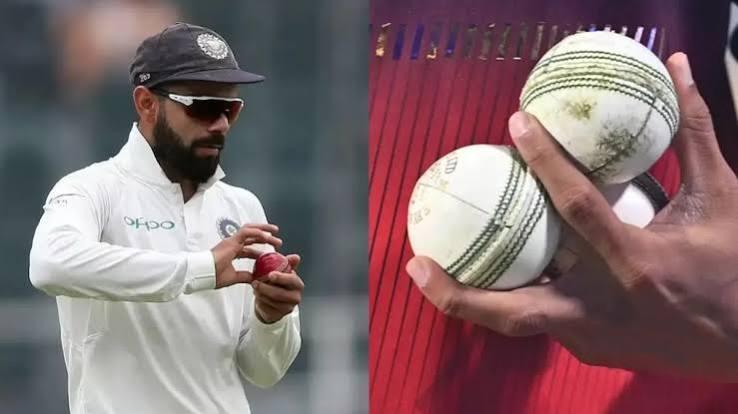
The ICC has also introduced tighter specifications for cricket balls used in women's and junior international cricket.
The new regulations establish separate size and weight specifications for men's, women's and junior cricket, replacing the previous practice where a single ball could be manufactured for both women's and junior categories.
Overthrows and Fielding Clarifications
The governing body has clarified the definition of an overthrow. Under the updated regulation, an overthrow involves an attempt to direct the ball towards the stumps to prevent runs or produce a run-out.
A simple misfield, whether a fielder is trying to stop the ball or pass it to another teammate, will not by itself be classified as an overthrow.
The ICC has also clarified when a ball is considered to be under a fielder's control during a run-out or stumping. Merely touching the ball as it breaks the stumps will not be sufficient; the fielder must have complete control.
Pink Ball Trial in Daytime Tests
A new trial will allow teams to use a pink ball in daytime Test matches by mutual agreement, particularly when the change could help reduce interruptions caused by bad light.
The decision must be made before the Test begins and cannot be reversed once the match is underway.
Other changes include adjustments to the end of a day's play, T20I interval rules, drinks-break access for head coaches and the permanent addition of the leg-side wide trial to ODI and T20I Playing Conditions.
ICC Men's Cricket Committee chair Sourav Ganguly said the changes were considered to address aspects including the pace of the game, ball regulations and fielding clarity while maintaining consistency in the sport's Playing Conditions.
Tags
More Stories

Shubman Gill Smashes Not out double Hundred Against West Indies as India Complete Record Chase in Guwahati
30 Sept 2026

Shubman Gill Hits Historic Double Century Against West Indies in 2nd ODI
30 Sept 2026

IPL 2027 Auction to Be Held in Goa in December as BCCI Brings Event Back to India
23 Sept 2026
CSK to Discuss Playing XI Leak Allegations at AGM, Says ‘Appropriate Measures’ Will Follow
22 Sept 2026