
China-Russia Plan for Arctic Trade Route Revives Forgotten Soviet Waterway
China, Russia and Kazakhstan are exploring the revival of the Ob-Irtysh waterway as a potential Arctic trade corridor, but shallow waters, ice, infrastructure costs and competing water demands remain major hurdles.
China-Russia Plan for Arctic Trade Route Revives Forgotten Soviet Waterway
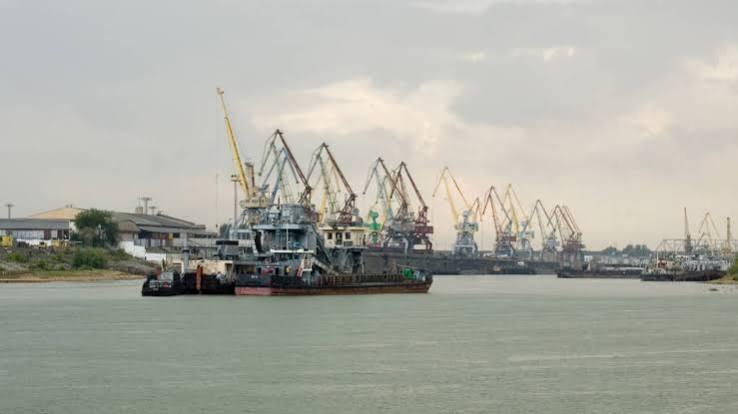
A Soviet-era river transport network is emerging as a potential new trade corridor linking China with Russia’s Arctic coast, as China, Russia and Kazakhstan examine whether the Irtysh and Ob rivers can once again carry significant commercial traffic.
The proposed route would begin in China’s Xinjiang region, follow the Irtysh through Kazakhstan and then enter Russia’s Ob River system before reaching the Arctic. If developed, it could give Chinese cargo another pathway to northern seas and connect the landlocked Central Asian trade network with Russia’s Arctic ports.
The idea is attracting renewed attention as geopolitical tensions expose the vulnerabilities of established shipping lanes. However, turning the concept into a commercially viable route would require major investment and extensive work on river navigation infrastructure.
How the Proposed Arctic Route Would Work
The Irtysh is one of the world’s longest rivers, stretching about 4,248 kilometres from its source in China through Kazakhstan and Russia before joining the Ob River. The Ob-Irtysh system eventually reaches the Arctic Ocean. Kazakhstan’s government also identifies the Irtysh as a major component of the Arctic Ocean basin.
The proposed corridor would effectively combine inland river transport with access to Russia’s northern maritime network. Chinese cargo could move west and north through the river system before reaching Arctic ports and potentially connecting with the Northern Sea Route.
That would create a very different logistics option from conventional maritime routes through the Strait of Malacca, the Indian Ocean, the Suez Canal and other heavily used shipping corridors.
The concept is not entirely new. Commercial activity on the Ob-Irtysh system was far greater during the Soviet era, with estimates putting annual trade at roughly 9 million tonnes at its peak in the 1970s. Activity subsequently collapsed following the breakup of the Soviet Union.
Why China Is Interested
For Beijing, the biggest attraction is diversification.
China's export economy depends heavily on maritime transport, while major sea lanes can become vulnerable during geopolitical crises. The proposed Irtysh-Ob corridor would provide an additional inland-to-Arctic option rather than replacing China's existing shipping network.
A recent South China Morning Post analysis said the route could potentially reduce China's exposure to traditional maritime chokepoints such as the Malacca and Bering straits. The proposal has gained greater attention as conflicts and shipping disruptions have increased concerns about the reliability of established trade corridors.
The Arctic itself is also becoming more commercially relevant. Declining seasonal sea ice has made portions of the Northern Sea Route increasingly accessible, although Arctic shipping remains far more challenging than conventional routes because of ice, weather, limited infrastructure and political restrictions.
Recent developments suggest that the broader Arctic shipping environment is receiving growing attention from Asian economies. The Northern Sea Route can shorten some Asia-Europe voyages substantially compared with routes through the Suez Canal, although actual savings depend on vessel type, season, ice conditions and operating restrictions.
Russia Could Gain a New Inland-Arctic Trade Link
For Russia, reviving the waterway could strengthen the economic role of Siberia and its Arctic ports while increasing cargo movement through regions along the Irtysh and Ob.
The route could also support Russia's wider strategy of developing northern transportation infrastructure. But claims that it would provide a straightforward way around Western sanctions should be treated cautiously. A river corridor does not automatically eliminate sanctions, customs restrictions, insurance problems or other barriers affecting international trade.
Nevertheless, Russia already has an established interest in expanding Arctic shipping and developing connections between its inland transport network and the Northern Sea Route.
The renewed discussion also comes at a time when Russia and Kazakhstan are coordinating management of transboundary Irtysh water flows. Russian water authorities reported that the two countries agreed in 2026 on coordinated management of floodwater releases and continued information exchange over reservoir operations and water levels.
Kazakhstan Could Become a Critical Link
Kazakhstan is particularly important because a substantial section of the Irtysh passes through its territory.
The country has already considered measures to restore and expand river navigation. According to an Eurasian Development Bank assessment, Kazakhstan has examined the possibility of using the Ob-Irtysh system to obtain access toward Russia's northern seas. The report estimated potential Kazakh traffic at around 2–2.5 million tonnes, compared with much higher volumes during the Soviet period. It also identified proposed investment in ports, shipyards, locks and connections toward the Chinese border.
Kazakhstan's potential role would therefore extend beyond simply allowing cargo to pass through. Modernised ports and logistics infrastructure could create new opportunities for domestic producers, exporters and regional trade.
For a landlocked country, an operational river corridor reaching the Arctic would also represent a strategically important alternative to traditional overland and southern transportation routes.
The Biggest Problem: Water Depth
The biggest challenge may not be geopolitics but the physical condition of the river.
The Irtysh does not have uniform navigational conditions along its entire length. Some sections are suitable for commercial shipping, while others suffer from shallow water and infrastructure limitations.
Recent reporting has highlighted particularly difficult conditions in Kazakhstan's Abai Region, where water levels can become too shallow for conventional cargo vessels. A proposed solution would require maintaining sufficient depth across Kazakhstan's section of the river, potentially through coordinated water management and infrastructure upgrades.
This is a major issue because a trade corridor is only as useful as its least navigable section. Deep water in Russia cannot compensate for a shallow stretch in Kazakhstan if cargo vessels cannot pass through it.
Hydropower Adds Another Complication
The Irtysh is also an important source of water and hydropower.
Kazakhstan has built major hydropower infrastructure along the river, while water regulation and reservoir operations influence downstream flows. Infrastructure such as locks and bypass channels would need substantial modernisation if larger-scale commercial navigation is restored.
The Eurasian Development Bank has noted that navigation conditions vary considerably across the Irtysh basin, with some sections actively used and others effectively abandoned. It has also identified additional port and lock infrastructure as necessary for developing the corridor.
That means the project is not simply a matter of sending modern barges onto an existing river. It would require rebuilding parts of a transportation system that deteriorated decades ago.
China's Xinjiang Water Use Creates a Strategic Dilemma
China itself faces an important trade-off.
The Irtysh originates in China's Xinjiang region, where water is already used for agriculture and other economic activities. Any decision to increase downstream flows for navigation would have to be balanced against domestic water requirements.
Reports cited in recent coverage indicate that water flowing from China into Kazakhstan through the Irtysh has declined significantly over the past decade-plus. One analysis cited a reduction of about 2.1 cubic kilometres, or roughly 22% of the estimated volume.
This creates an unusual situation: China could potentially benefit economically from a larger international trade route while simultaneously needing to reconsider how much water it retains upstream.
Water management is therefore likely to become one of the most sensitive parts of any future agreement among China, Kazakhstan and Russia.
Seasonal Ice Could Limit the Route
Even if the river's infrastructure and water levels were fixed, the route would not necessarily operate year-round.
Parts of the Ob system can be affected by ice for extended periods, limiting navigation during winter. That means the proposed corridor would likely remain seasonal unless substantial ice-navigation capabilities and supporting infrastructure were developed.
This is particularly important when comparing the route with conventional global shipping. Businesses value reliability as much as distance. A corridor that is inexpensive but unavailable for several months each year may not be attractive for time-sensitive cargo.
The Arctic sea route has similar limitations. Although warming has improved navigability in some areas, Arctic shipping still faces harsh weather, ice-management requirements, limited emergency infrastructure and higher operating risks.
Billions of Dollars Could Be Required
The economic hurdle is therefore substantial.
Ports, loading facilities, locks, dredging, riverbank infrastructure, vessels, rail connections and border facilities would all require investment. The proposed corridor would also need reliable customs and logistics systems spanning three countries.
Kazakhstan has already considered new river infrastructure, including additional port facilities and a new shipping lock, while potential connections toward the Chinese border could further increase the project's scale.
The full cost could be extremely high, particularly if the objective is to create a modern, reliable international cargo corridor rather than simply restore limited local river traffic.
Key Takeaways
- China sees strategic value: The Irtysh-Ob corridor could provide another trade option linking China with Russia's Arctic network.
- Russia could strengthen its Arctic logistics: Reviving inland waterways could connect Siberian economic centres more closely with northern ports.
- Kazakhstan is a crucial transit country: Its section of the Irtysh would have to support reliable commercial navigation for the corridor to work.
- Water depth is a major obstacle: Shallow sections could prevent cargo vessels from operating efficiently.
- Infrastructure needs are significant: Ports, locks, dredging facilities and transport connections would require major investment.
- China faces a water-management dilemma: Increasing downstream flows for navigation could conflict with agricultural and other water requirements in Xinjiang.
- The route would remain exposed to nature: Seasonal ice and difficult Arctic conditions could restrict operations.
Why This Matters
The proposed Ob-Irtysh corridor is important not because it is already a functioning alternative to global shipping, but because it illustrates how geopolitical risk is changing the way major economies think about trade infrastructure.
For decades, the lowest-cost maritime route was generally the preferred option. Rising tensions, sanctions, attacks on shipping and disruptions around major chokepoints are encouraging governments and companies to place greater value on redundancy and resilience.
For China, an Arctic river corridor could theoretically add another layer of protection to its trade network. For Russia, it could strengthen the country's Arctic and Siberian transport strategy. For Kazakhstan, it could provide a rare water-based connection toward the world's northern seas.
But the project remains a long-term possibility rather than an established trade route. Its success would depend on agreements over water management, billions of dollars in infrastructure investment, navigation improvements and the ability to overcome seasonal environmental constraints.
The central irony is that the same river that could become a strategic trade artery is already under pressure from competing demands for water. Before the Irtysh can carry millions of tonnes of international cargo again, China, Kazakhstan and Russia would first have to determine how much water the river can reliably provide.
More Stories
Iran Offers to Reopen Strait of Hormuz Within 7 Days as Houthis Advance in Yemen
22 Sept 2026

Jamie Dimon Urges US to Rethink Russian Oil Pressure on India Amid 100% Tariff Threat
22 Sept 2026

Houthis Capture Perim Island as Red Sea Shipping and Oil Routes Face New Risk
11 Sept 2026

Top 10 EV Cars in the World in 2026: Price, Range and Performance
9 Sept 2026