
Nepal Floods: 11 Hydropower Plants, 40 Roads, 19 Bridges and Over 10 Banks Damaged
Severe flooding in Nepal has caused widespread damage to roads, bridges, hydropower projects, banking facilities and telecommunications networks, disrupting infrastructure and daily life across several affected areas.
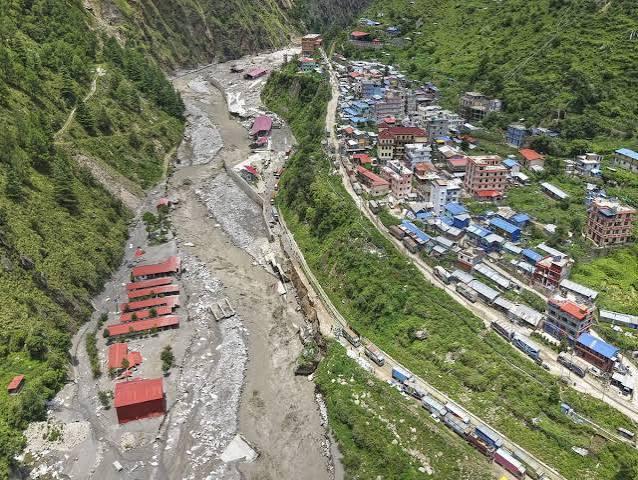
Nepal Floods: 11 Hydropower Plants, 40 Roads, 19 Bridges and Over 10 Banks Damaged
Severe floods in Nepal have caused extensive damage to critical infrastructure, with roads, bridges, hydropower plants, banks, telecommunications facilities and government buildings among the structures affected.
Initial reports indicate that 11 hydropower plants have been damaged, taking around 431 megawatts of electricity generation capacity offline. The flooding has also damaged nearly 40 kilometres of roads and 19 bridges, disrupting transport and connectivity in several parts of the country.
More than 20 suspension and motorable bridges between Rasuwa and Malangawa have reportedly been swept away or damaged by the powerful floodwaters. The loss of these bridges has severely affected transportation and connectivity in the impacted areas.
Hydropower infrastructure severely affected
The flooding has had a significant impact on Nepal's electricity infrastructure. Eleven hydropower plants have suffered damage, resulting in approximately 431 MW of generation capacity being taken out of operation.
Power-related infrastructure has also been damaged, adding to concerns about electricity supply and restoration efforts in the flood-hit regions.
Banks and financial institutions also affected
The disaster has extended beyond transport and power infrastructure. More than 10 bank and financial institution offices have reportedly been affected by the floods.
Several offices were inundated or damaged as floodwaters moved through affected communities, disrupting banking services and damaging basic infrastructure.
Telecommunications networks disrupted
Nepal's telecommunications infrastructure has also suffered significant damage. More than 25 telecom sites were reportedly affected by the flooding.
Towers and sites operated by Nepal Telecom (NTC) and Ncell have been damaged in areas including Timure, Syapru Besi and Nuwakot. Optical fibre networks, including an NTC fibre connection linked to China, have also been affected.
Damage to these networks could make communication more difficult in areas already struggling with disrupted roads and transportation.
Flood-warning systems and government buildings damaged
Flooding has also affected early-warning infrastructure. Several flood alert warning systems in Rasuwa, Dhading and Nuwakot have reportedly been damaged, potentially complicating efforts to monitor further flooding.
Government infrastructure has also suffered losses. A central jail administrative building in Nuwakot's Bidur area and a Nepal Police security unit building were among the structures affected. Exterior walls and vehicles were damaged, although reports indicate that all 800 inmates at the central jail remained safe.
The full extent of the damage is still being assessed. With roads, bridges, electricity, telecommunications and public infrastructure all affected, authorities face a major challenge in restoring essential services and connectivity across flood-hit areas.
Tags
More Stories

Peskov Says 90% of Russia-BRICS Transactions Use National Currencies
8 Sept 2026

US Leads Global Finance Jobs as London and Hong Kong Hold Key Niches
8 Sept 2026

Toronto Homeowners Face Heavy Losses as Property Prices Reverse
8 Sept 2026
Falkland Islands dispute explained: Why the UK and Argentina are still fighting over the islands
8 Sept 2026