
BCCI Says It Pays Around ₹3,000 Crore in Income Tax Annually Amid Sports Act Debate
The BCCI has told its members that it pays an average of around ₹3,000 crore in income tax each year, as the cricket board continues to assess the implications of the National Sports Governance Act, 2025.
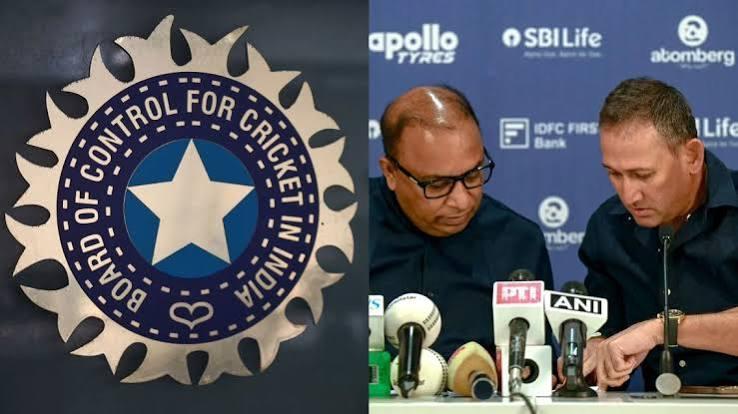
BCCI Says It Pays Around ₹3,000 Crore in Income Tax Annually Amid Sports Act Debate
The Board of Control for Cricket in India (BCCI) informed its members at its 95th Annual General Meeting in Mumbai that it pays an average of around ₹3,000 crore in income tax annually, according to Hindustan Times. The disclosure comes as the board faces questions over its position under the National Sports Governance Act, 2025.
The BCCI has told its state associations that cricket has not yet been notified as a “designated sport” under the new legislation. As a result, the state cricket bodies have been advised to continue conducting their elections under their existing constitutions for the time being.
BCCI's Position on Sports Act
BCCI secretary Devajit Saikia said the board's position is that several procedural steps need to be completed by the relevant authorities before the BCCI comes under the Sports Act.
Saikia said that once the required exercises are completed and the BCCI is brought under the legislation, a separate notification would be needed to designate cricket under the Act. He added that the board would follow the new rules once the applicable notification is issued.
The issue has gained importance because several Olympic sports organisations are reportedly interested in coming under the Sports Act, partly because of access to government funding.
Supreme Court Seeks BCCI's Response
The BCCI's AGM discussions came shortly after the Supreme Court questioned why the BCCI and state cricket associations should not be governed by the National Sports Governance Act, 2025.
On September 9, a bench headed by Chief Justice Surya Kant, along with Justices Joymalya Bagchi and V Mohana, asked the BCCI and state associations to explain why the terms and conditions governing their office bearers should not come under the legislation. The court sought instructions from the organisations on the issue.
The matter is part of a long-running legal proceeding concerning the administration and governance of the BCCI. The Supreme Court had previously approved several reforms to the board's structure following recommendations from the Justice R.M. Lodha committee.
BCCI's Financial Position
The reported ₹3,000-crore annual income-tax figure highlights the scale of the BCCI's financial operations. The board generates revenue through commercial activities including media rights, sponsorships, broadcasting arrangements and ticket sales. The Central Information Commission also recently held that the BCCI does not fall within the definition of a “public authority” under the RTI Act, citing its financial independence.
Key Takeaways
- BCCI told members it pays an average of around ₹3,000 crore in income tax annually.
- Cricket has not yet been notified as a designated sport under the National Sports Governance Act.
- State cricket associations are currently continuing with their existing constitutional arrangements.
- The Supreme Court has sought the BCCI's response on why it should not come under the 2025 Sports Act.
- BCCI secretary Devajit Saikia said the board will follow the legislation once the required notification is issued.
Why This Matters
The Sports Act could have implications for how India's largest cricket administration body and its state associations are governed, including rules affecting office bearers and organisational elections. The BCCI's position is that the required notification and other procedural steps must first be completed. The Supreme Court's ongoing proceedings could further clarify how the new legislation applies to Indian cricket.
More Stories
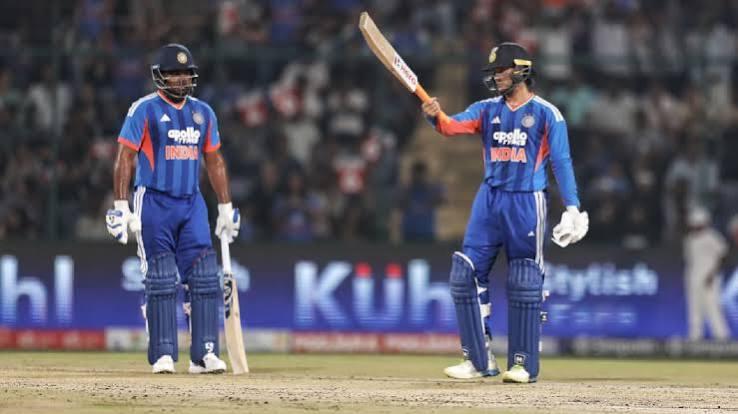
Yuvraj Singh’s Message for Abhishek Sharma Goes Viral After Record T20I Century
18 Sept 2026

Virat Kohli’s One8 Shoes Spotted on Pakistan Cricketer During Women’s Asia Cup
8 Sept 2026
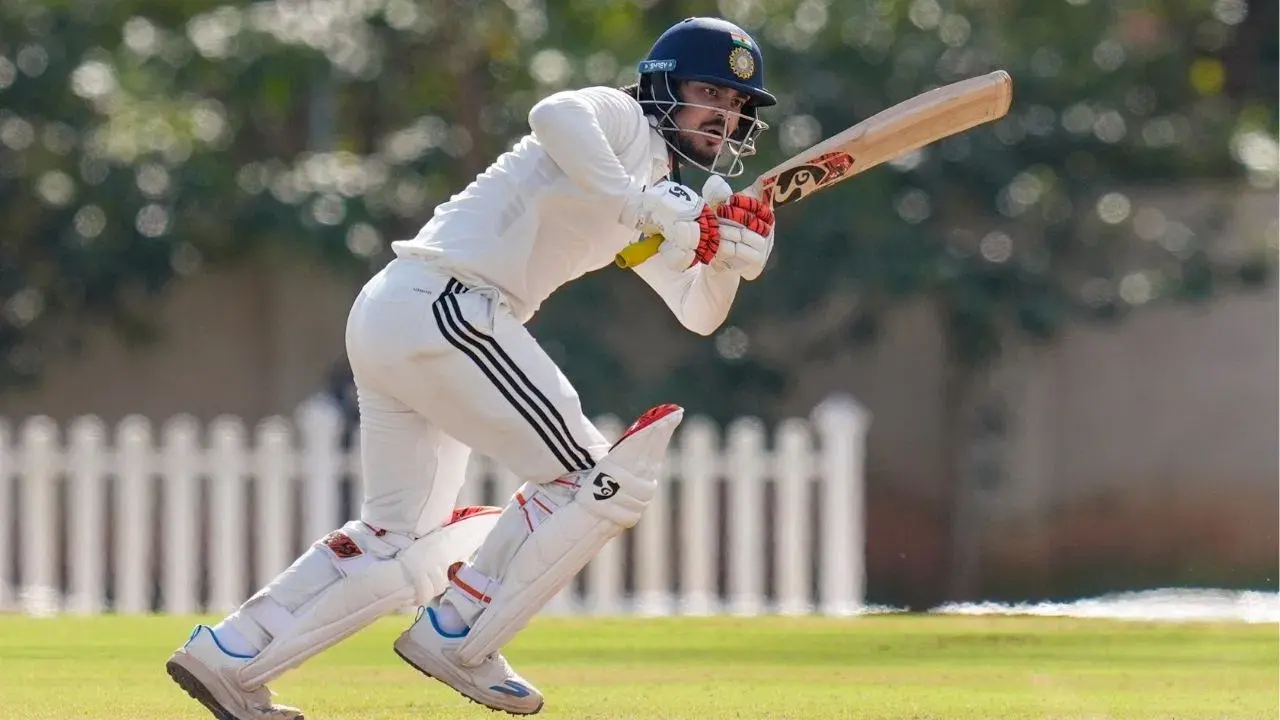
Duleep Trophy Final: Ishan Kishan’s Century Overshadows Vaibhav Sooryavanshi’s Explosive 44 as East Zone Take Charge
7 Sept 2026
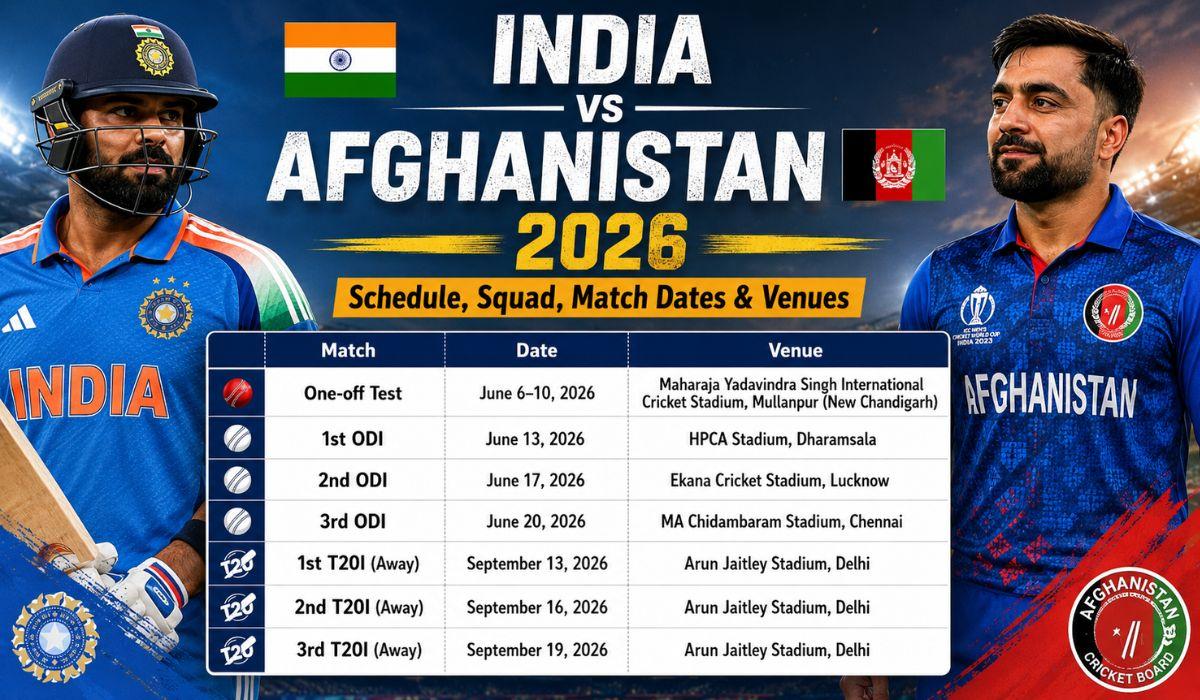
India vs Afghanistan T20I Series 2026: Full Schedule, Venue, Squads, Live Streaming and Telecast Details
7 Sept 2026