
Why Is Palm Oil Used in Packaged Foods? Health Benefits, Risks and What Experts Say
Palm oil is widely used in packaged foods because it is affordable, stable and helps extend shelf life. Experts explain its health impact, saturated fat content and why moderation matters.
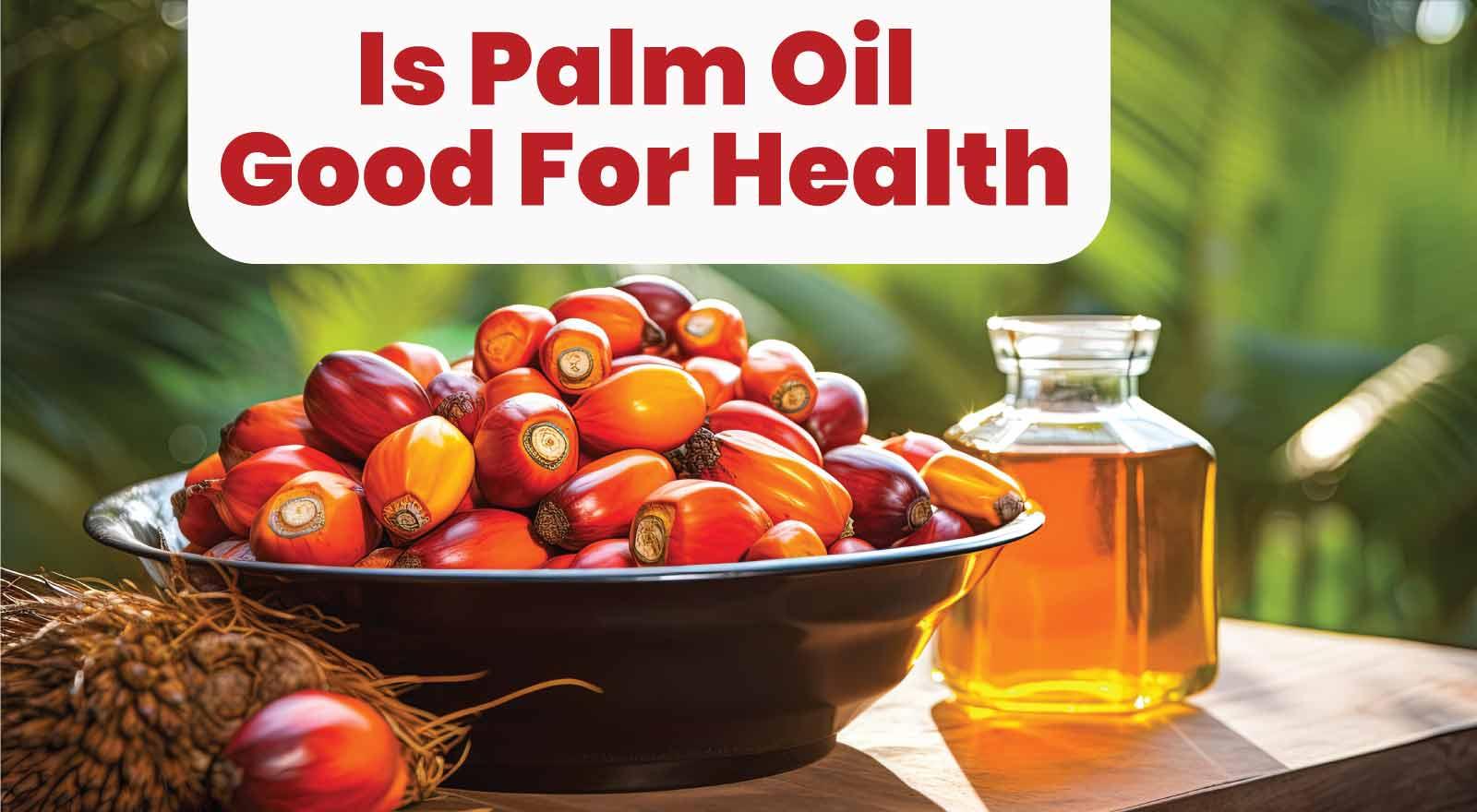
Why Is Palm Oil Used in Packaged Foods? Health Benefits, Risks and What Experts Say
Palm oil is one of the most widely used edible oils in the packaged food industry. Extracted from the fruit of oil palm trees, it is commonly found in products such as biscuits, chips, baked goods, instant noodles and other packaged snacks.
Its popularity comes from several properties that make it useful for food manufacturers. Palm oil has good oxidative stability, meaning it is less likely to become rancid quickly. This allows packaged foods to retain their taste, texture and freshness for longer periods.
In India, palm oil is a standardised edible oil permitted for use in packaged foods under food safety regulations. It is regulated by the Food Safety and Standards Authority of India (FSSAI) under the Food Safety and Standards Act, 2006.
Is palm oil safe to eat?
Experts generally say palm oil can be consumed as part of a balanced diet, but moderation is important because it contains a relatively high proportion of saturated fat.
Regularly consuming large amounts of saturated fat can contribute to higher LDL, or “bad” cholesterol, which is associated with an increased risk of cardiovascular disease. Palm oil is considered a better option than partially hydrogenated fats containing industrial trans fats, but liquid oils that are higher in unsaturated fats, such as olive or canola oil, are generally considered more heart-friendly.
The overall quality of a person's diet also matters. Many foods containing palm oil are highly processed and may also contain significant amounts of sugar, salt, refined carbohydrates and calories.
Why is palm oil used in so many packaged foods?
Palm oil offers manufacturers several practical advantages:
- Long shelf life: Its resistance to oxidation helps food remain fresh for longer.
- Neutral taste: It generally does not overpower the flavour of other ingredients.
- Affordable: Palm oil is relatively inexpensive and produced on a large scale.
- Versatility: Different palm-derived fats can provide different textures in food.
- High-temperature stability: Palm olein is widely used for frying because of its stability at high temperatures.
- Texture: It can help provide crispness in snacks and consistency in bakery products and fillings.
Its semi-solid characteristics also allow manufacturers to produce products with specific textures without relying on partially hydrogenated fats.
What do experts say about palm oil?
Sumit Roy, Deputy General Manager at Solidaridad Asia, said palm oil has distinctive properties because it is semi-solid at room temperature. Its components can be separated into lower-melting olein and higher-melting stearin, allowing manufacturers to use different fractions for products such as biscuits, bakery items and cream fillings.
He also highlighted palm oil's oxidative stability, which can help fried and baked foods retain their quality during storage and transportation.
However, nutrition experts caution that the amount and frequency of consumption remain important.
Alka Srivastava, Director of Swad & Masala Food and Beverages Pvt Ltd., said palm oil is widely used because it is affordable, stable and helps extend the shelf life of packaged foods. At the same time, she noted that excessive consumption can be a concern because of its saturated-fat content.
Rather than completely avoiding palm oil, she recommended moderation, transparent food labelling and choosing healthier alternatives where possible.
Palm oil and heart health
Nutrition experts say the primary health concern surrounding palm oil is its saturated-fat content.
Sonali Saxena, Senior Clinical Nutritionist and Diabetes Educator, said diets consistently high in saturated fat can contribute to increased LDL cholesterol and cardiovascular risk. She recommended focusing on whole grains, vegetables, fruits, pulses, nuts and other nutrient-rich foods while reducing dependence on highly processed foods.
Dr Jatinder Singh Bhogal, Senior Consultant in Gastroenterology and Hepatology at Kailash Deepak Hospital, said palm oil is commonly used because it is inexpensive, widely available and stable at high temperatures.
He stressed that the bigger dietary concern may be frequent consumption of highly processed foods, which can contain high levels of calories, refined carbohydrates, sodium and saturated fats.
According to Bhogal, occasional consumption is different from making palm-oil-containing processed foods a regular part of the diet. Consumers should instead aim for a balanced diet and choose foods containing healthier unsaturated fats when possible.
Does palm oil cause cancer?
There is currently no clear evidence establishing a direct link between normal dietary consumption of palm oil and cancer.
Dr Sachin Trivedi, Director of Medical Oncology at HCG Cancer Hospital, Colaba, said the greater concern is often the overall nutritional profile of highly processed foods, which may contain excessive saturated fat, sugar, salt and calories.
He advised consumers, including people undergoing or recovering from cancer treatment, to focus on a balanced diet rather than eliminating a single ingredient without medical advice.
How much palm oil should you consume?
There is no need to completely eliminate palm oil from the diet solely because it appears on a food label. Instead, consumers should consider the overall nutritional value of the product, the amount consumed and how frequently they eat it.
Reading nutrition labels can help consumers identify foods that are high in saturated fat, added sugar, sodium and calories.
Fresh or minimally processed foods such as fruits, vegetables, whole grains, pulses, nuts and protein-rich foods can form the foundation of a healthier diet, while highly processed snacks should generally be consumed in moderation.
Bottom line: Palm oil is widely used because it is inexpensive, versatile, stable and effective at maintaining the quality of packaged foods. While it is permitted under food safety regulations, its relatively high saturated-fat content means moderation is important. The overall diet—and not one ingredient alone—plays the biggest role in long-term health.
More Stories

Top 10 Hospitals in Illinois 2026-27: Northwestern Memorial, Rush Lead U.S. News Rankings
7 Sept 2026

Maharashtra FDA Introduces Year-Round Food Safety Rules for Festivals From Eid to Diwali
3 Sept 2026

Delhi HC Seeks Centre, FSSAI Response on Plea Against Ban on Fortune Soya Refined Oil
1 Sept 2026

Nutritionist Shares Lifestyle Changes That Helped a 38-Year-Old Woman Manage Persistent Bloating
29 Aug 2026