
Why Pay Price of One-Sided Love? Nepali Journalist Slams China Over Flood Warning Lead Excerpt
Nepali journalist Parshuram Kaphle has criticised China over the lack of an early warning before devastating flash floods hit villages and infrastructure along the Nepal-China border, questioning Kathmandu's close ties with Beijing.
Why Pay Price of One-Sided Love? Nepali Journalist Slams China Over Flood Warning Lead Excerpt
A Nepali journalist has criticised China over its alleged failure to provide an early warning before devastating flash floods struck areas along the Nepal-China border, raising fresh questions about disaster communication between the two neighbouring countries.
Parshuram Kaphle, a journalist covering foreign and strategic affairs, accused Beijing of undermining Nepal by not alerting Kathmandu ahead of the massive flooding.
In a post on X, Kaphle said Nepal had consistently taken into account the legitimate security concerns of its neighbours. However, he expressed disappointment that Nepal allegedly did not receive advance information about the approaching disaster.
He said the absence of an early warning contributed to significant loss of life and damage during the floods.
'Why Pay The Price Of One-Sided Love?'
Kaphle further alleged that Nepal has repeatedly faced crises originating from areas across the northern border.
Questioning the nature of Nepal's relationship with China, he asked why Kathmandu should bear the consequences of what he described as "one-sided love".
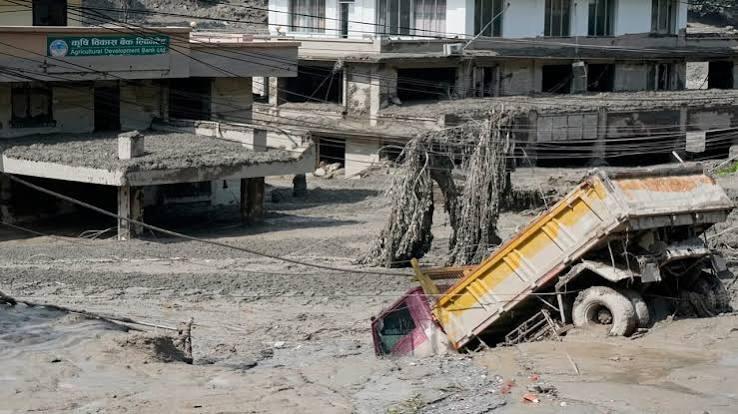
His remarks come after severe flash floods and mudslides caused widespread destruction in Nepal's northern Rasuwa district near the Tibet border.
The disaster damaged roads, bridges, buildings and other infrastructure, while rescue operations were launched to locate people reported missing.
The allegations over the absence of an early warning are likely to add another layer to the debate over Nepal's disaster preparedness and its coordination with neighbouring countries.
China and Nepal maintain close economic and diplomatic relations, with Beijing playing a significant role in infrastructure and connectivity projects in the Himalayan nation. The latest criticism, however, highlights concerns about whether cross-border disaster information is being shared quickly enough during emergencies.
The cause of the flooding and the extent to which advance information could have helped prevent casualties remain matters for further assessment.
More Stories

Peskov Says 90% of Russia-BRICS Transactions Use National Currencies
8 Sept 2026

US Leads Global Finance Jobs as London and Hong Kong Hold Key Niches
8 Sept 2026

Toronto Homeowners Face Heavy Losses as Property Prices Reverse
8 Sept 2026
Falkland Islands dispute explained: Why the UK and Argentina are still fighting over the islands
8 Sept 2026