
Iran Warns Gulf Ports ‘Not Safe’ as US Prepares Naval Blockade
Iran issues a strong warning ahead of a US naval blockade, saying no Gulf port will be safe as tensions escalate and global oil markets react sharply.
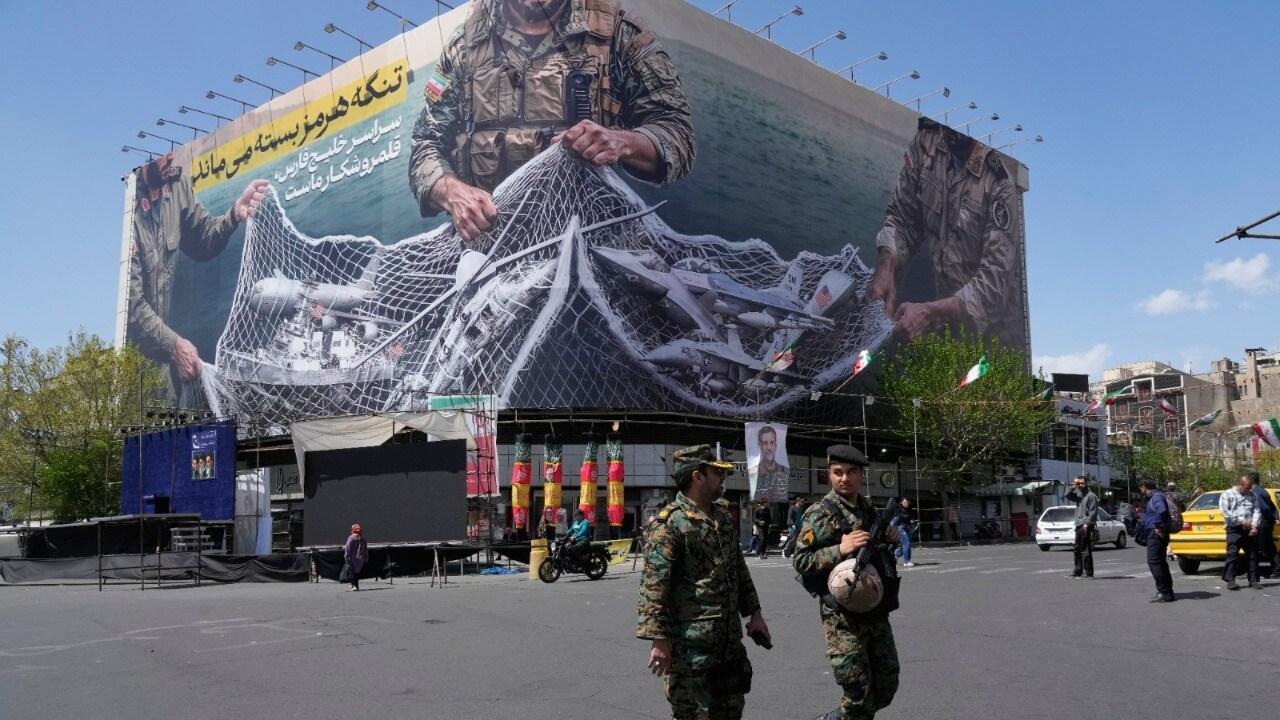
Tensions in the Middle East have escalated sharply as Iran warned that no port in the region would remain secure if its own maritime infrastructure is targeted.
Tensions in the Middle East have escalated sharply as Iran warned that no port in the region would remain secure if its own maritime infrastructure is targeted.
The warning comes as the United States prepares to enforce a naval blockade on Iranian ports and coastal routes, following the collapse of recent ceasefire negotiations.
Iranian military officials and the Islamic Revolutionary Guard Corps emphasized that regional maritime security cannot be one-sided. They stated that if Iran’s ports come under threat, similar risks would extend across the Persian Gulf and the Gulf of Oman.
US Blockade Plan
According to United States Central Command, the blockade will target vessels entering or leaving Iranian ports, increasing pressure on Tehran after failed diplomatic efforts.
However, international shipping between non-Iranian ports will still be allowed to pass through the Strait of Hormuz, though movement has already slowed significantly.
Before the conflict, around 100–135 ships passed through the strait daily. Recent figures indicate a sharp drop, with only a fraction of that traffic continuing amid rising tensions.
Aftermath of Failed Talks
The blockade follows unsuccessful negotiations between the US and Iran in Islamabad, where both sides failed to reach an agreement on key issues such as nuclear commitments and sanctions relief.
JD Vance stated that Iran did not accept Washington’s conditions, while Iranian officials blamed the US for making excessive demands.
Iranian leaders, including Mohammad Bagher Ghalibaf, have warned of retaliation if pressure continues, signaling that the situation could escalate further.
Global Impact
The developments have already affected global energy markets. Oil prices surged sharply following the announcement, reflecting fears of supply disruptions in one of the world’s most critical energy corridors.
The United States aims to limit Iran’s oil exports and reduce its influence over the Strait of Hormuz, through which a significant portion of global oil supply passes.
Rising Risks
With the ceasefire timeline uncertain and tensions increasing, analysts warn that the situation could lead to wider regional instability. Any escalation in maritime conflict could disrupt global trade routes and impact energy security worldwide.
Tags
More Stories
Iran Offers to Reopen Strait of Hormuz Within 7 Days as Houthis Advance in Yemen
22 Sept 2026

Jamie Dimon Urges US to Rethink Russian Oil Pressure on India Amid 100% Tariff Threat
22 Sept 2026

Houthis Capture Perim Island as Red Sea Shipping and Oil Routes Face New Risk
11 Sept 2026
China-Russia Plan for Arctic Trade Route Revives Forgotten Soviet Waterway
9 Sept 2026