
Alternative-Fuel Cars Surpass Petrol in India for First Time as CNG, Hybrid and EV Demand Rises
CNG, hybrids and electric cars together captured nearly 42% of India’s passenger-vehicle retail market in August, as rural demand and running-cost concerns reshape buying preferences.
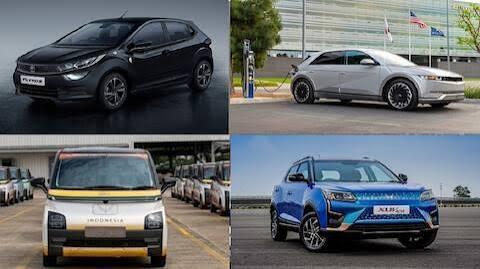
Alternative-Fuel Cars Surpass Petrol in India for First Time as CNG, Hybrid and EV Demand Rises
India’s passenger-vehicle market reached a significant turning point in August 2026, with cars powered by alternative technologies collectively outselling petrol/ethanol models for the first time in a single month.
According to retail data from the Federation of Automobile Dealers Associations (FADA), CNG/LPG vehicles, hybrids and electric cars accounted for 41.95% of passenger-vehicle registrations in August, narrowly ahead of petrol/ethanol vehicles at 40.85%. Diesel continued to account for 17.21% of the market.
The numbers do not mean petrol has lost its position as an individual fuel choice. Petrol/ethanol remained the largest single powertrain category. Instead, the data highlights how several alternative technologies are collectively becoming a powerful force in India’s car market.
CNG remains the biggest alternative-fuel choice
CNG continues to dominate the alternative-fuel segment, accounting for 25.28% of passenger-vehicle retail sales in August. Hybrids followed with a 9.04% share, while electric vehicles represented 7.63%.
The growing popularity of CNG reflects the importance Indian buyers continue to place on running costs. Carmakers are also expanding their CNG portfolios, giving customers more options across different vehicle segments.
Hybrids and EVs are gaining ground for different reasons. Improved vehicle technology, a wider choice of models and better charging infrastructure are helping electric vehicles attract more buyers, while hybrids offer an alternative for customers who want improved fuel efficiency without depending entirely on charging infrastructure. Reuters reported that the broader shift has also been influenced by higher energy costs and concerns surrounding the transition to E20 petrol.
Passenger-vehicle sales cross 4 lakh in August
The fuel-mix change came during an exceptionally strong month for India's passenger-vehicle market.
FADA data showed 4,02,398 passenger vehicles were retailed in August, representing a 16.14% increase from the same month last year. It was the first August in which monthly PV retail crossed the four-lakh mark. Sales were, however, 3.4% below July's record 4,16,555 units.
The wider automobile market also recorded its strongest August on record, with total retail registrations reaching approximately 24.23 lakh vehicles, up 17.51% year-on-year. Two-wheeler registrations increased nearly 20%, while commercial-vehicle sales also recorded strong annual growth.
Rural India becomes an increasingly important growth engine
One of the most important signals from the August numbers came from rural markets.
Rural passenger-vehicle retail increased 24.99% year-on-year, substantially faster than the 10.93% growth recorded in urban markets. The stronger rural performance was not limited to cars; rural demand also outpaced urban growth across several other vehicle categories.
The trend suggests that India's vehicle demand is becoming less dependent on major cities. Higher spending capacity, additional sources of rural income and government-supported income measures are contributing to greater purchasing power outside urban centres.
This could prove particularly important for automakers during the upcoming festive season, when vehicle purchases traditionally accelerate.
EV adoption is expanding beyond passenger cars
Electric mobility is also gaining momentum across India's broader automotive market.
Overall EV retail registrations reached around 2.98 lakh units in August, up sharply from a year earlier, according to FADA-linked reporting. Electric vehicles accounted for 10.68% of two-wheeler retail sales, crossing the 10% threshold for the first time in a non-festive month.
The passenger-vehicle EV share remains considerably smaller than CNG's share, but the combination of improving range, expanding charging networks and a larger model lineup is gradually making EVs more mainstream.
State-level adoption is also becoming increasingly diverse. August data showed Uttar Pradesh leading EV registrations, while Maharashtra and Karnataka were among the other major markets, demonstrating that EV demand is no longer concentrated in just a handful of cities.
E20 transition adds another layer to the buying decision
The changing fuel mix is also taking place as India continues its transition toward E20 petrol, which contains up to 20% ethanol.
FADA has pointed to consumer concerns surrounding the transition as one factor influencing purchasing decisions. At the same time, rising fuel costs and geopolitical uncertainty have strengthened the appeal of vehicles that promise lower running expenses.
This does not necessarily indicate that consumers are abandoning petrol overnight. Rather, buyers increasingly appear to be comparing the total cost of ownership before choosing their next vehicle.
For manufacturers, that means fuel efficiency, CNG availability, hybrid technology and EV capabilities are becoming increasingly important components of product strategy.
High inventory remains a concern for dealers
Despite strong headline sales, the market is not without risks.
Passenger-vehicle inventory at dealerships climbed to around 38-40 days at the end of August, significantly above FADA's recommended level of 21 days.
Elevated inventory could put pressure on dealers' working capital and may encourage manufacturers and retailers to increase discounts if vehicles remain unsold during the festive period.
That makes the next few months particularly important. Strong bookings will need to translate into actual showroom deliveries rather than simply adding to dealer stock.
Festive season could determine whether the trend continues
Automakers are now heading into one of India's most important vehicle-buying periods. New model launches, existing booking pipelines and stronger rural demand could provide additional momentum through September and the following festive months.
However, the comparison with last year's festive period could complicate year-on-year growth figures, while higher vehicle prices and uneven monsoon conditions remain potential risks. FADA-linked reporting indicates that dealer expectations for September-November remain broadly positive, although concerns about festive demand and inventory persist.
The August data therefore represents more than just another record sales month. It provides an early indication that India's passenger-vehicle market is becoming increasingly diversified in terms of fuel choice.
Petrol remains the country's biggest individual car fuel category, but CNG, hybrids and EVs together have now crossed an important psychological threshold.
If the trend continues through the festive season, automakers may increasingly have to treat alternative powertrains not as niche offerings, but as a central part of India's mainstream car market.
Tags
More Stories

Samsung Galaxy S26 FE First Impressions: Premium Design, Exynos 2500 and Galaxy AI Aim to Challenge Costly Flagships
7 Sept 2026
PayPal Layoffs Expand in US: 251 San Jose Employees, Including Senior Engineers, Face Job Cuts
7 Sept 2026

Infosys Co-Founder Shibulal-Backed Shikshagraha Partners With Teach For India to Expand Public-School Reforms
1 Sept 2026

ChatGPT, Roblox and Reddit Face EU’s Strictest Online Rules Under Digital Services Act
31 Aug 2026