
JLR to Cut 4,000 Jobs Over Two Years as Tata-Owned Carmaker Targets £1.7 Billion Savings
Jaguar Land Rover plans to reduce its global workforce by around 4,000 roles while targeting £1.7 billion in savings, as the luxury automaker simplifies its operations and prepares five new products.
JLR to Cut 4,000 Jobs Over Two Years as Tata-Owned Carmaker Targets £1.7 Billion Savings
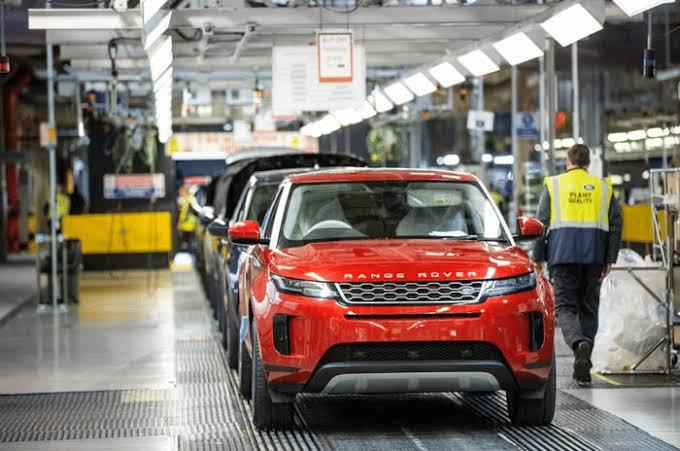
Jaguar Land Rover (JLR) is set to eliminate around 4,000 jobs globally over the next two years as the Tata Motors-owned luxury carmaker launches a major cost-reduction programme aimed at strengthening its finances and lowering its break-even point.
JLR currently employs approximately 43,000 people worldwide, meaning the planned reduction represents close to 10% of its global workforce. The company said the programme is primarily focused on salaried and management positions and is expected to be implemented largely through voluntary redundancy rather than direct manufacturing job cuts.
The restructuring forms part of JLR's wider “Growth Reimagined” strategy, under which the company is targeting approximately £1.7 billion in savings over the next two years.
JLR wants to lower its break-even point
A central objective of the programme is to make JLR less dependent on high sales volumes to remain profitable.
The company wants to bring its break-even level down to approximately 300,000 vehicles annually. Lowering this threshold would give the automaker greater financial resilience if global demand weakens or market conditions become more volatile.
JLR said simplifying its organisational structure and reducing unnecessary complexity will help create a more efficient business while allowing it to continue investing in future technologies.
The company is simultaneously planning to invest £15 billion to £18 billion over the next five years in electrification, digital technologies, advanced manufacturing and improvements to customer experience.
Five new products planned in the next 12 months
Despite announcing thousands of job reductions, JLR is not abandoning its product expansion plans.
The company expects to introduce five new products over the next 12 months as it attempts to strengthen its luxury brands and generate revenue growth.
Chief Executive Officer PB Balaji said the company intends to use the strength of its brands while placing renewed emphasis on markets such as North America.
JLR is targeting double-digit revenue growth, even as it cuts costs and restructures its workforce.
The strategy reflects an attempt to achieve two goals at the same time: become leaner operationally while continuing to invest heavily in products that can command premium prices.
Why is JLR cutting jobs?
The British luxury carmaker is operating in an increasingly difficult global automotive environment.
Automakers are facing rapidly changing technology, uneven electric-vehicle adoption, rising trade barriers and stronger competition from Chinese manufacturers.
JLR is particularly exposed to these changes because of its dependence on premium markets and its significant presence in regions affected by shifting trade policies.
Competition from Chinese brands has also intensified, with lower-cost manufacturers expanding internationally and increasingly targeting segments that were traditionally dominated by established European automakers. Reuters reported that JLR's restructuring comes amid pressure from Chinese competition and tariffs.
For JLR, the response is to lower its fixed-cost base while concentrating investment on its strongest brands and most profitable products.
Manufacturing jobs largely protected
JLR has stressed that the announced workforce reduction is not expected to directly affect its manufacturing workforce.
Instead, the programme is primarily aimed at its 26,000-strong salaried and management workforce, according to Reuters.
The first phase of consultations has already begun, with the company saying it will work with trade unions and employee representatives during the process.
JLR has also said it will support employees affected by the restructuring and seek to implement the reductions wherever possible through voluntary measures.
That approach could help the company reduce its workforce while limiting disruption at its manufacturing facilities.
JLR's electrification investment continues
The workforce reduction comes at a time when JLR is making significant investments in the transition towards electric vehicles.
The company's earlier Reimagine strategy positioned electrification as a major part of its long-term transformation. JLR has been preparing production facilities for electric models while continuing to manufacture combustion-engine and hybrid vehicles as demand changes across different markets.
The company has previously committed substantial capital to its electrification programme, including investment in its Halewood facility for electric-vehicle production. Its FY2024-25 reporting also highlighted continued development of the Range Rover Electric and the transformation of its Jaguar brand.
The new cost programme therefore does not represent a retreat from electrification. Instead, JLR says the savings will help fund continued investment in technology and future products.
JLR enters the next phase after earlier transformation
The latest restructuring builds on several years of transformation at the company.
JLR's earlier Reimagine strategy focused on repositioning Jaguar and Land Rover as modern luxury brands while improving profitability and operational efficiency.
The company had already made substantial progress before the latest announcement. In its FY2024-25 reporting, JLR said it achieved £2.5 billion in profit before tax, revenue of approximately £29 billion and an adjusted EBIT margin of 8.5%. It also reported reaching a net-cash-positive position.
However, changing market conditions mean that past improvements are not enough. JLR now wants a structurally lower cost base to protect profitability during periods of weaker demand.
North America becomes increasingly important
JLR is also placing greater emphasis on North America as part of its growth strategy.
The region is particularly important for the company's premium Range Rover and Defender products, which command higher prices and margins than many mass-market vehicles.
Balaji has said JLR will continue to focus on North America alongside other key markets while using its brand strength to support revenue growth.
At the same time, the company must navigate tariff uncertainty and changing global trade conditions, both of which can affect the cost and profitability of vehicles sold across international markets.
The £1.7 billion savings target
The new savings programme is intended to reduce organisational complexity and improve JLR's ability to withstand market volatility.
The £1.7 billion target over two years will be particularly important as the company increases spending on electrification, digital technology and manufacturing upgrades.
The objective is not simply to cut expenditure. JLR wants to redirect resources towards areas that can strengthen its long-term competitive position while reducing the amount of revenue required to reach profitability.
The company believes reaching a break-even level of around 300,000 vehicles would make its financial performance more resilient.
What JLR's restructuring means for Tata Motors
For Tata Motors, which owns JLR, the transformation is strategically important because the luxury automaker remains a major part of the group's global automotive portfolio.
JLR's strong brands provide Tata Motors with exposure to the premium end of the international vehicle market, but the business also faces greater sensitivity to global economic conditions, currency movements, tariffs and luxury-car demand.
A leaner JLR could therefore provide stronger and more predictable cash generation if the £1.7 billion savings programme delivers its intended results.
A difficult balance between cuts and investment
JLR's latest announcement highlights the difficult balancing act facing many global automakers.
The company is cutting thousands of positions and reducing organisational complexity while simultaneously committing billions of pounds to electric vehicles, digital technology and advanced manufacturing.
The success of the Growth Reimagined strategy will ultimately depend on whether JLR can achieve those savings without slowing product development or weakening its ability to compete.
With five new products planned over the coming year, continued investment in electrification and a target of double-digit revenue growth, JLR is betting that a smaller and more efficient organisation can support a stronger luxury-car business in the years ahead.
More Stories
Samsung India job cuts: Nearly 100 executives asked to leave as company restructures TV and home appliance businesses
8 Sept 2026

Dividend Alert: NSDL, IREDA, Kalyan Jewellers and 11 other stocks to turn ex-dividend this week
8 Sept 2026

Biocon secures 10-year Brazil deal for Pertuzumab with 100% PDP allocation
8 Sept 2026

Uber Layoffs 2026: Why the Company Is Cutting 3,300 Jobs Despite Strong Growth
7 Sept 2026