
Lessons from Jantar Mantar: Delhi Police Chief Orders Major Intelligence Revamp
Delhi Police Commissioner Anurag Kumar has directed the intelligence wing to strengthen protest-related intelligence gathering after a large July demonstration exposed gaps in crowd assessment, communication and police preparedness.
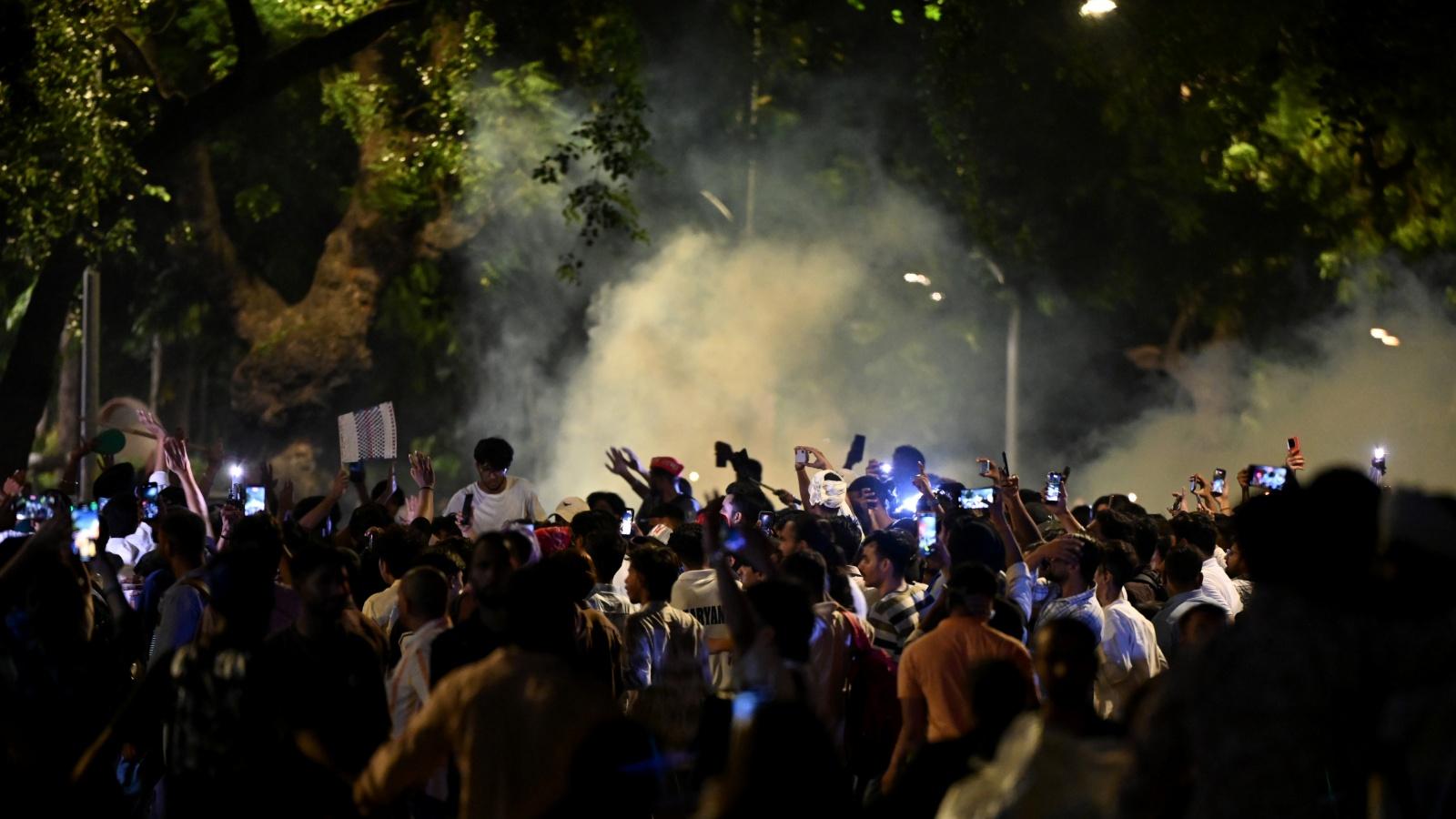
Lessons from Jantar Mantar: Delhi Police Chief Orders Major Intelligence Revamp
Delhi Police Commissioner Anurag Kumar has ordered a major revamp of the force's intelligence-gathering system following the large-scale protests at Jantar Mantar and Connaught Place in July.
The intelligence wing has been directed to collect at least 10 specific pieces of information before every planned protest or major public gathering. The move comes after police were caught off guard when around 50,000 young people reportedly gathered in central Delhi on July 20 and attempted to march towards Parliament.
The protest, which focused on demands related to education reform, saw clashes between demonstrators and police. The handling of the situation, including the use of tear gas and batons, drew criticism.
According to police sources, the Special Branch, which is responsible for intelligence gathering, traditionally collects basic information such as the location of a protest and its expected turnout. The new directive calls for a much more comprehensive and actionable assessment before demonstrations.
10 Details Delhi Police Will Track
The intelligence wing has been asked to collect and analyse:
- Profile of participants
- State-wise participation
- Modes of mobilisation
- Names of leaders and key functionaries
- Agenda and demands of protesters
- Places of stay and movement
- Local contacts and linkages
- Organisational affiliations
- Sources of funding
- Logistical arrangements
Police officials said the objective is to understand not only where a protest will take place, but also who is organising it, how participants are being mobilised and whether organisers have local support networks.
Focus On Communication And Coordination
The Commissioner has also stressed the need to ensure that the police wireless communication network remains fully operational.
Sources said a review of the July protests identified gaps in communication and coordination, with information from personnel on the ground not always reaching senior officers quickly enough.
Kumar has directed officials to check the wireless network comprehensively and immediately address any shortcomings.
The directive applies across different levels of the force, including beat personnel, traffic police, security units, PCR teams and district officers.
Supervisory and operational officers have also been asked to remain available on wireless communication systems so that information can move quickly and command decisions can be taken without unnecessary delays.
Lessons From The Jantar Mantar Protest
The new measures are aimed at improving police preparedness for protests involving large crowds, participants from outside Delhi or multiple organisations.
Police sources said field units will now be expected to provide verified, specific and actionable intelligence rather than broad estimates about expected gatherings.
The changes follow increased scrutiny of how the July protest was handled and are intended to help Delhi Police assess potential law-and-order challenges before large demonstrations take place.
More Stories

India Raises China Business Visa Hurdles as Firms Face Travel Disruptions
8 Sept 2026
Vadodara-Ratlam Rail Expansion: Two New Lines Planned, Vishwamitri-Dabhoi to Get Double Track
7 Sept 2026
Bengaluru-Vijayawada Highway: New 343-Km Corridor to Cut Journey by 110 Km
7 Sept 2026
'Trapped Students Making Phone Calls': BJP MLA on Delhi Building Collapse in Satya Niketan
6 Sept 2026