
Sugar Prices Rise to ₹65-70/kg, But Sugar Stocks Fall: Why Government’s Duty-Free Import Move Matters
Sugar Price Hike: Sugar prices in India have jumped ahead of the festive season, with retail prices rising sharply over the past month.
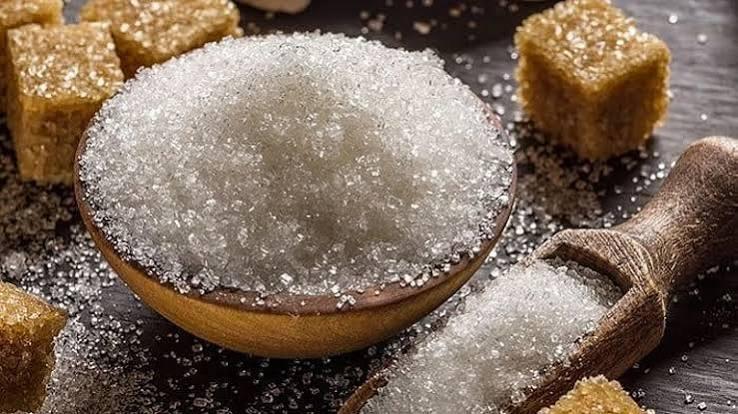
Sugar Prices Hit ₹70/kg
Sugar Price Hike: Sugar prices in India have jumped ahead of the festive season, with retail prices rising sharply over the past month. At the same time, sugar company stocks have come under pressure after the government allowed duty-free imports of raw sugar to improve domestic supplies.
The unusual situation has left consumers facing higher sugar prices while investors are worried about the outlook for sugar mills.
Sugar Prices Surge Ahead of Festive Season
According to the latest figures, the all-India average retail price of sugar rose from around ₹48.18 per kg on July 20 to ₹55.70 per kg on August 20. However, prices in some retail markets have reportedly reached ₹65-70 per kg.
The increase comes ahead of the major festive period, when demand for sugar typically rises due to higher consumption and the preparation of sweets.
Several factors are contributing to the current price pressure, including lower sugar production, crop diseases, excessive rainfall and tighter availability in the domestic market.
Why Is Sugar Production Falling?
India's sugar production estimate for the current season has reportedly declined significantly.
The initial production estimate was around 343 lakh tonnes, but it has now fallen to approximately 306 lakh tonnes.
Crop problems, including red rot and stem borer, along with waterlogging caused by heavy rainfall, have affected sugarcane production in some areas.
India normally produces more sugar than its annual domestic consumption, allowing mills to maintain stocks. However, lower production has reduced the cushion available in the market.
Government Allows Duty-Free Sugar Imports
To increase supply and control prices, the government has allowed duty-free imports of up to 10 lakh tonnes of raw sugar until October 31, 2026.
The move is designed to ensure adequate availability before the new sugarcane crushing season begins in October.
The government is also taking steps to prevent hoarding and excessive stockpiling, while monitoring inventories across the supply chain.
But Why Are Sugar Stocks Falling?
This is where the story becomes particularly interesting for stock-market investors.
Normally, higher sugar prices can be positive for sugar manufacturers because mills may receive better realisations.
However, duty-free imports could increase the supply of sugar in India and potentially put downward pressure on domestic prices.
The market is therefore looking beyond today's high sugar prices and focusing on what could happen to sugar prices and sugar-mill margins in the coming months.
The chain is simple:
Duty-free imports → Higher supply → Potential fall in domestic sugar prices → Lower realisations for mills → Possible pressure on margins → Sugar stocks under pressure
Sugar stocks including Balrampur Chini Mills, Dalmia Bharat Sugar and Dwarikesh Sugar came under selling pressure following the government's import decision.
Sugar Prices vs Sugar Stocks: The Big Question
The current situation can appear confusing:
DevelopmentPossible impactSugar prices risePositive for sugar millsDomestic production fallsCan support sugar pricesFestive demand increasesPositive for pricesDuty-free imports allowedNegative for domestic pricesMore sugar supplyCould pressure mill realisationsSugar prices potentially coolNegative for sugar companiesConsumers get additional supplyPositive for consumersSugar stocks fallReflects investor concerns
The important point is that higher sugar prices today do not automatically mean higher profits for sugar companies in the future.
Investors are assessing whether government intervention and imports will bring prices down and reduce the profitability advantage currently enjoyed by sugar producers.
Is Ethanol Responsible for the Sugar Price Rise?
The government has rejected the argument that the current sugar-price increase is primarily due to the ethanol policy.
According to the information provided by the government, the amount of sugar diverted towards ethanol has actually declined compared with 2022-23.
The government has also highlighted that a significant share of India's ethanol production now comes from grains, particularly corn.
Therefore, the current price increase appears to be more closely linked to lower sugar production, crop damage, supply concerns, festive demand and market conditions, rather than simply ethanol diversion.
What Happens Next?
The next major development will be the start of the new sugarcane crushing season in October.
Fresh production could increase domestic supply and ease some of the current price pressure. At the same time, the government's duty-free import decision could provide additional supplies before the new season begins.
For sugar companies, investors will be watching:
- Domestic sugar prices
- Import volumes
- Sugar production estimates
- New-season cane availability
- Government stock limits
- Ethanol policy
- Sugar mill margins
- Export/import policy changes
More Stories

India Raises China Business Visa Hurdles as Firms Face Travel Disruptions
8 Sept 2026

Vadodara-Ratlam Rail Expansion: Two New Lines Planned, Vishwamitri-Dabhoi to Get Double Track
7 Sept 2026

Bengaluru-Vijayawada Highway: New 343-Km Corridor to Cut Journey by 110 Km
7 Sept 2026

'Trapped Students Making Phone Calls': BJP MLA on Delhi Building Collapse in Satya Niketan
6 Sept 2026